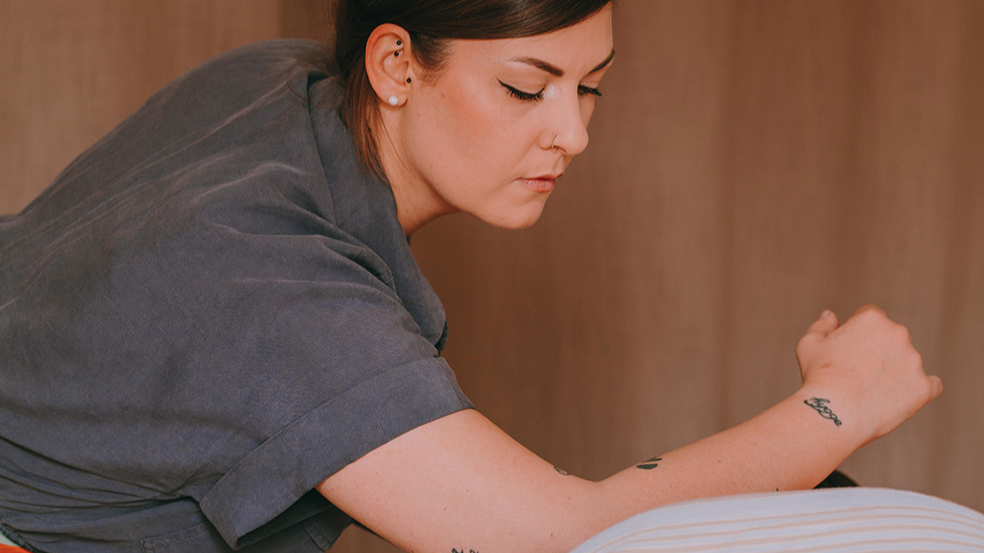
The Practitioner’s Presence: The Soul of Alma Wellness Therapy
In the complex landscape of modern healthcare, there is a growing realization that technical skill alone is insufficient for true healing. The missing ingredient is often “presence”—the focused, compassionate attention that a practitioner brings to their work. At Alma Wellness Therapy, this human element is not a byproduct of the service; it is the core of the therapeutic philosophy. By prioritizing the deep connection between therapist and guest, Alma ensures that every session is an active, collaborative journey toward physical and mental restoration.
The Art of Focused Intent
When a therapist at Alma engages with a guest, they are doing more than applying anatomical knowledge. They are practicing intentional touch. This means every movement—whether it is a broad, sweeping stroke or targeted pressure using the forearm—is performed with a clear understanding of the guest’s specific physical and emotional needs.
This level of focus allows the practitioner to “listen” to the body’s tissues. They can feel the subtle resistance of a knotted muscle, the heat of localized inflammation, or the involuntary “guarding” that occurs when a person is under extreme stress. By responding to these cues in real-time, the therapist can adjust their technique, ensuring the treatment is always effective and never overwhelming to the nervous system.
Advanced Techniques: Beyond the Hands
As seen in the specialized work at Alma, practitioners often utilize their forearms and elbows to deliver deep, consistent pressure that the hands alone cannot achieve. This technique is a hallmark of high-level manual therapy for several reasons:
- Broad Surface Area: Using the forearm allows for more even pressure across large muscle groups like the lats and hamstrings, reducing the “pokey” sensation of fingers.
- Structural Release: It enables the therapist to lean their body weight into the stroke, reaching the deep myofascial layers where chronic tension is often “locked.”
- Consistent Flow: These techniques facilitate the long, fluid movements characteristic of Californian Massage, which are essential for inducing a deep state of sensory relaxation.
The Environment of Trust
True wellness requires a guest to be in a state of total vulnerability, trusting another person to navigate their physical pain and stress. Alma Wellness Therapy cultivates this trust through a professional, serene environment where the therapist acts as a steady, grounding force.
The practitioner’s calm demeanor, steady breath, and focused gaze serve as a biological “co-regulator” for the guest. In a process known as neuro-reception, the guest’s nervous system subconsciously scans the environment and the practitioner for signs of safety. When they find it, the “fight or flight” response shuts down, allowing the body’s innate repair mechanisms—such as cellular regeneration and immune boosting—to take over.
Empowerment Through Education
The journey at Alma doesn’t end when the guest leaves the table. A key part of the practitioner’s presence is their role as a wellness educator. Because they have spent an hour or more intimately assessing a guest’s physical state, they are uniquely positioned to offer personalized advice.
This might include identifying a repetitive strain from a specific work habit or suggesting a targeted stretch to maintain the newfound mobility in a shoulder. By sharing this insight, the therapist empowers the guest to take the “Alma state of mind” back into their daily lives, turning a single session into a catalyst for long-term lifestyle change.
A Higher Standard of Care
Ultimately, the practitioners at Alma Wellness Therapy are more than just service providers; they are specialists in the https://almawellnesstherapy.com/ human experience. They understand that every body carries a story, and their mission is to help rewrite that story from one of tension and pain to one of balance and vitality.
Would you like to learn more about the background and training of our senior therapists, or perhaps a guide on how to effectively communicate your needs during a deep tissue session?