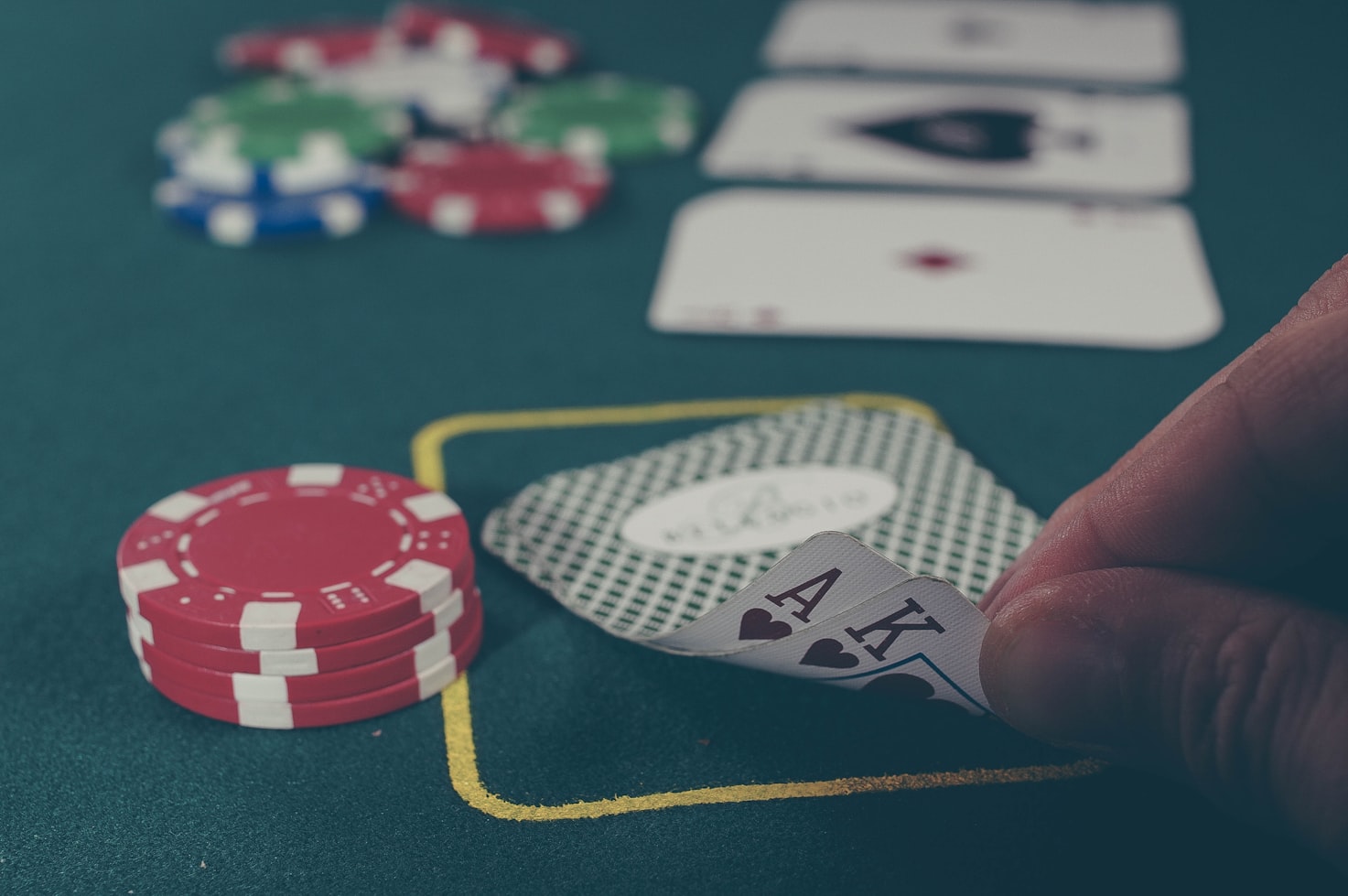
The House Edge: An Unseen Advantage
One of the most significant secrets casinos maintain relates to the concept of the house edge, which ensures that the casino always has a statistical advantage over players. This edge varies by game type and can mean the difference between winning and losing over time. For instance, in games like slots, the house edge can be as high as 15% to 20%, meaning for every dollar wagered, players can expect to retain significantly less. Additionally, players seeking rapid payouts often look for an online casino fast withdrawal process to minimize their waiting time. Understanding this hidden metric helps explain why many players leave empty-handed after a night of gambling.

Moreover, players are often unaware of how the house edge can be manipulated by the odds presented. Most casino games use a set of rules or pay tables that seem favorable, masking the actual odds of winning. For example, while a player may assume they have a 50% chance of winning a particular bet, the true odds may be closer to 40%, highlighting the importance of players educating themselves about the games they choose to play. This lack of transparency can lead players to make uninformed decisions based on misleading appearances.
Additionally, casinos invest substantial resources in marketing techniques that emphasize winnings and success stories while downplaying losses. This strategic advertising can create a skewed perception of winning frequently, which is seldom the reality for the average player. By maintaining the house edge and controlling the narrative surrounding gambling success, casinos ensure a steady flow of income while keeping players hopeful and often misled about their chances of winning big.
The Psychology of Gaming: Manipulating Player Behavior
Casinos are not just places for chance; they are meticulously designed environments that capitalize on psychology to influence player behavior. One tactic is the use of sounds and visuals—loud noises from slot machines or flashing lights that celebrate wins, regardless of their size. This sensory overload can create an illusion of success, prompting players to stay longer and bet more than they initially intended. The environment is crafted to keep players engaged and almost in a trance-like state of excitement.
Another psychological tactic involves the concept of ‘near misses.’ When a player gets close to winning—like almost hitting three matching symbols—they often feel a rush of excitement that encourages them to continue playing, even though these near misses have no actual bearing on their chances of winning. This manipulation can lead to prolonged playtime, increasing the likelihood of losses. Casinos expertly exploit these psychological principles to hook players into a cycle of betting that is hard to break.
Furthermore, loyalty programs are designed to create a false sense of reward, enticing players to gamble more to gain additional perks. Players might feel that accumulating points brings them closer to a reward, but the actual return on their expenditures is disproportionately low compared to the cost of play. As players chase these rewards, casinos ensure a consistent revenue stream and retain customers who believe they are gaining something for their loyalty, further blurring the lines between enjoyment and addiction.
The Illusion of Control: Random Numbers and Odds
Many players enter casinos under the impression that they can somehow control the outcome of games like slots or roulette through their decisions or skills. However, most of these games are governed by random number generators (RNGs) or predetermined odds, which are designed to ensure fairness, but also maintain the house edge. This means that while players may feel they can influence the outcome, in reality, every spin of the slot machine or roll of the dice is entirely random and predetermined.
Despite the randomness, players might be misled into thinking they can develop strategies or systems that guarantee success. For instance, some might use betting patterns in roulette, believing that certain numbers are ‘due’ to hit. However, because each spin is independent, these strategies do not increase the likelihood of winning. This misconception can lead to players investing more time and money in a quest for perceived control that doesn’t exist.
Additionally, casinos often capitalize on these beliefs by offering games with more visible odds and betting opportunities, such as blackjack. Although players can employ basic strategies to enhance their odds in such games, the reality is that there is still a built-in advantage for the house. This subtle distinction is often conveniently overlooked, as players could become preoccupied with a false sense of mastery over the games, fueling further gambling activity and lost wagers.
Game Design: Engineered for Profit
Casino games are crafted not just for entertainment but also for profitability. Game designers focus on mechanics that keep players engaged while ensuring the house retains its edge. One example is the concept of ‘losses disguised as wins,’ where players receive a payout for betting the minimum even if they lose money overall. This manipulation of stakes and payouts is designed to create the illusion of winning, leading players to feel more successful than they are and encouraging them to keep playing.
The use of algorithms in video slots is another secret that enhances profitability. These algorithms are designed to simulate frequent wins that provide the excitement of victory without actually offering significant rewards. Consequently, players may find themselves emotionally and practically invested, continuously playing with the hope of triggering a major payout, all while the game is calibrated to favor the house. This aspect of design keeps players on the hook financially, often leading to impulsive betting behaviors.
Furthermore, the strategic placement of high-stakes tables and machines near entrances or popular areas increases the chances that players will engage with them. By creating an atmosphere of excitement and bounty, casinos are effectively manipulating foot traffic to optimize earnings. This deliberate layout often leads to players spending more time and money than they originally planned, reinforcing the casino’s profits while keeping secrets about the actual odds and game mechanics hidden from view.
Understanding Casino Dynamics and Responsible Gaming
As players navigate the complex environment of casinos, it is crucial to cultivate an understanding of the dynamics at play and adopt responsible gaming practices. Recognizing the hidden aspects of gambling, including the house edge, psychological influences, and game design, equips players with the knowledge to make informed decisions. By educating themselves and remaining aware of the strategies employed by casinos, players can enjoy the experience without falling victim to the traps laid out by these establishments.
Furthermore, players should set strict limits on how much time and money they are willing to spend. Establishing boundaries before engaging in any gambling activity can prevent excessive losses and help retain a sense of control. Many casinos offer self-exclusion programs, which allow players to opt-out temporarily or permanently from gaming activities, showcasing that responsible gaming is a priority for many establishments. This fosters a healthier gaming culture that emphasizes enjoyment rather than financial peril.
Ultimately, understanding the dynamics of casinos and the numerous secrets they hold can significantly enhance a player’s experience. It empowers individuals to engage with the gaming world more mindfully, focusing on entertainment rather than solely on winning. By maintaining a balanced approach, players can enjoy the thrill of the games while minimizing the potential for addictive behavior and financial loss.